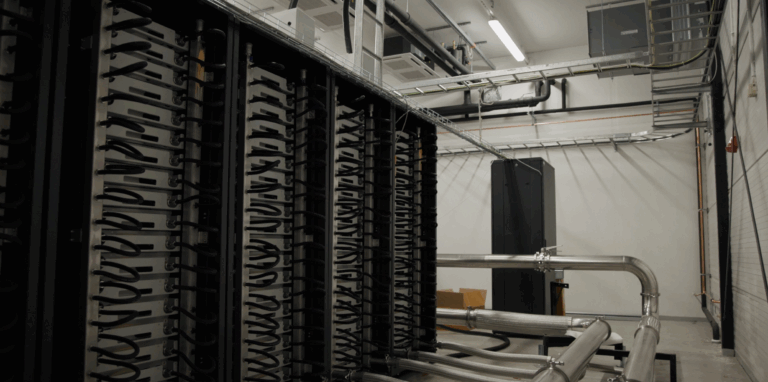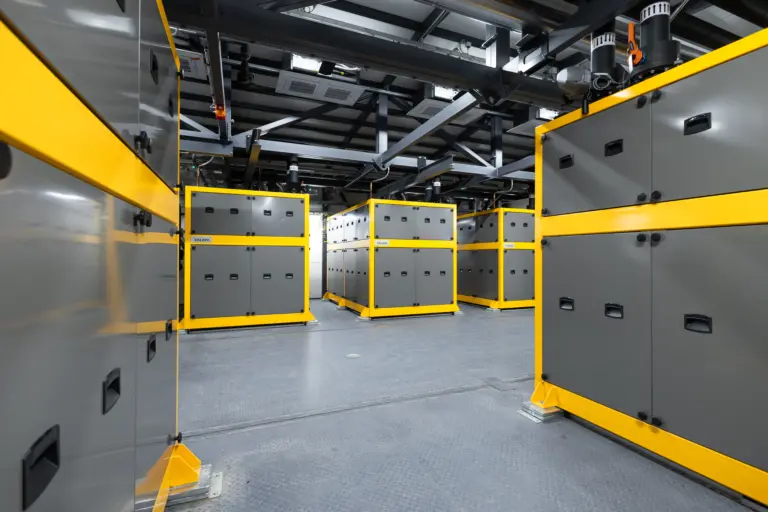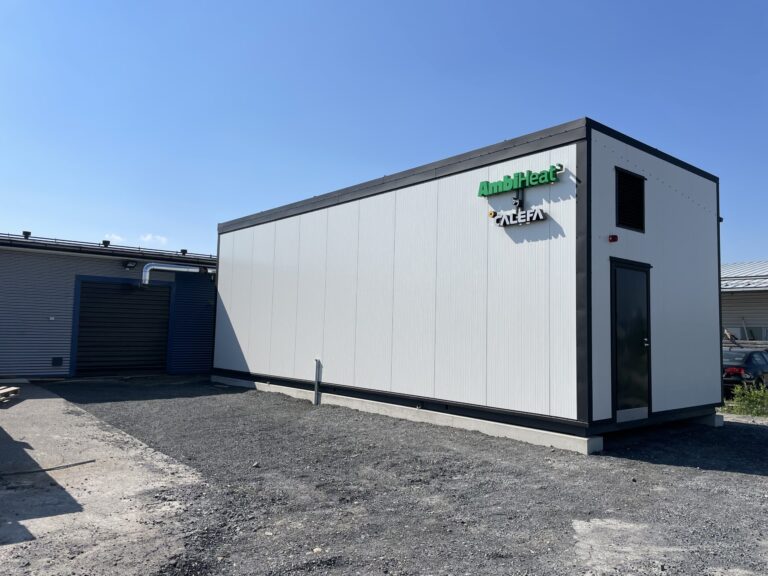
Surprisingly, summer is one of the most emission‑intensive periods in district heating, even though heat demand is at its lowest. Traditionally, the reduced summer load has been covered with fossil-based peak and backup boilers. Today, electrification of heat production offers a targeted and effective way to reduce these emissions.

Three insights on summer heat production
- Emissions in district heating can be higher during the summer period, as low demand often forces the use of fossil-fuel-fired backup boilers.
- Electrification, via electric boilers, heat pumps, and waste heat, reduces these emissions effectively during summer.
- Optimal solutions are location-specific and built from a combination of technologies rather than a single universal model.
Electrification Accelerates the Shift to Low-Carbon Energy
Electrifying heat production has become central for utilities and industry seeking to cut emissions and transition to a more sustainable energy system. Moving away from combustion-based solutions toward electric technologies, such as electric boilers and heat pumps, enables substantial emission reductions without compromising security of supply.
In district heating, where production has historically relied on combustion, electrification not only cuts direct emissions but also improves system flexibility and cost-efficiency.
Importantly, electrification is not a simple one-to-one technology swap. It represents a broader shift in system logic, toward flexibility, market-driven operation, and the integration of multiple production assets.
Why Is Summer Interesting from an Emissions Perspective?
The need for electrification becomes most visible in summer, when district heat demand is low. As Calefa’s Sales Manager, Lari Heinonen, notes, biomass-based production performs well at high loads, but summer operation often falls below the minimum technical range of boilers. At that point, running biomass units is no longer technically or economically viable.
As a result, production is shifted to backup boilers, which are often fossil-fuel-based. Despite low demand, summer emissions can therefore be higher than expected. Electric solutions provide a direct answer: they operate efficiently at low loads and enable utilities to phase out fossil backup use.
Heat pumps also improve performance during colder periods. For example, heat can be recovered from flue gases, reducing fuel consumption or increasing capacity. In biomass combustion, part of the energy is used to evaporate moisture in the fuel and is typically lost with flue gases. A flue gas condenser combined with a heat pump can recover a significant share of this latent heat, increasing the share of energy transferred into the district heating network.
Well-designed heat pump systems can utilise multiple heat sources, such as boiler waste heat in winter and ambient heat in summer when the main boiler is offline. This increases annual operating hours and improves investment returns.
During the warmest months, district heating plants can potentially replace almost all combustion-based production with electric solutions. This is already the case in Finnish municipalities such as Seinäjoki, Kankaanpää, Loviisa, and Lahti.
Read how summer emissions in district heating were reduced across several municipalities
Power Market Dynamics Enable Electrification
The rise of electrification is driven by systemic changes in the energy landscape. Rapid growth in renewable electricity, especially wind power, has increased price volatility and created more periods of low-cost electricity. This supports the economic viability of electric heat production, which can be optimised to operate at the most cost-effective hours.
Key drivers of electrification:
- Growth in wind and other renewable power generation
- Increased electricity price volatility
- The need to capitalise on low-cost and surplus electricity periods
At the same time, utilities are deploying thermal storage to decouple production from demand. Heat can be generated when electricity is cheap and used later when demand is higher.
Utilities can also participate in reserve markets, earning revenue by rapidly adjusting electricity consumption in response to grid needs. Electrification thus becomes part of active market participation.
“Leveraging low-cost electricity is particularly relevant in summer, when supply is often abundant, and heat demand is low. Reserve markets reward fast demand response when the power system requires rapid balancing,” Heinonen notes.
Heat Pumps and Electric Boilers Are Complementary
Several technologies enable electrified heat production, with heat pumps and electric boilers at the core. The optimal solution depends on understanding their complementary roles.
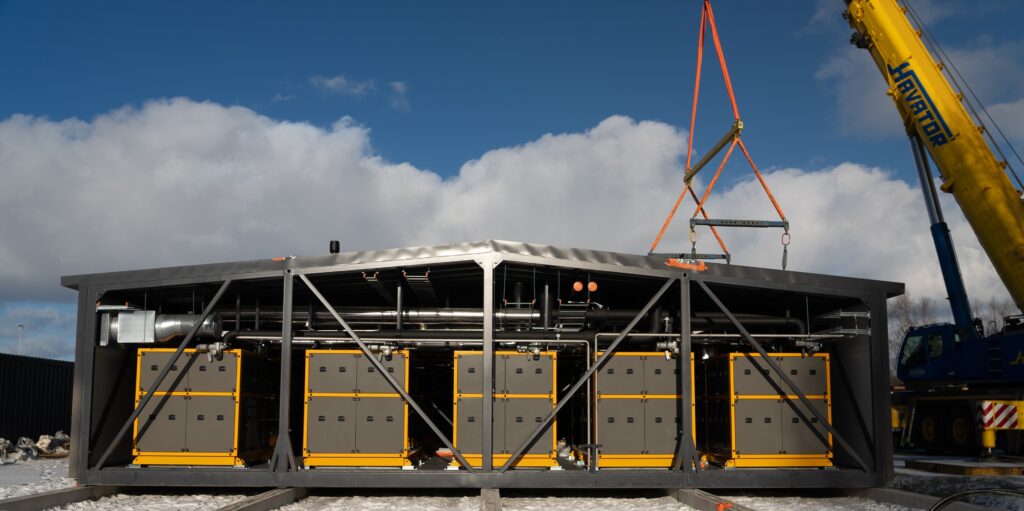
Heat pumps are primarily a baseload solution. Their high coefficient of performance (COP) allows multiple units of heat to be produced from one unit of electricity. This makes them cost-efficient, particularly when low-temperature energy sources, such as wastewater or industrial waste heat, are available.
Electric boilers, in contrast, provide a simple and highly responsive form of production. Their strength lies in their rapid response to changes in the electricity market, making them ideal for flexibility services and reserve markets. In practice, they often complement heat pumps and ensure system reliability.
Heat pumps | Electric boilers |
|---|---|
|
|
Heat pumps can also be controlled dynamically, for example, based on electricity price signals. However, they are typically less suited to the fastest reserve responses than electric boilers.
Other system components, such as thermal storage and emerging hydrogen solutions, further enhance flexibility and performance.
Can Waste Heat Replace Summer Combustion?
Waste heat is a cornerstone of electrified district heating. Data centres, industry, and wastewater all provide substantial low-temperature energy that can be upgraded via heat pumps.
Not all waste heat is equal, however. Industrial waste heat can be highly usable, but its availability often fluctuates with production levels. Wastewater heat, by contrast, tends to be more stable and predictable.
This variability underscores the need to combine waste heat with other production methods to ensure a reliable supply. In practice, waste heat is typically part of a broader system portfolio.
A flagship example is the heat pump plant in Lahti, which utilises wastewater heat for district heating. The solution represents internationally advanced technology and demonstrates how combining waste heat and heat pumps can significantly reduce reliance on fossil fuels.
Local Optimisation Is Key
There is no one-size-fits-all solution to electrifying heat production.
“Every energy system is a unique combination of existing infrastructure, local energy sources, and future investment plans,” Heinonen explains.
Optimal outcomes are achieved by combining technologies and tailoring solutions to local conditions. Key factors include:
- Local energy system characteristics
- Network size and load profile
- Availability of waste heat sources
- Electricity market conditions
- Planned investments
Long-term developments, such as data centres or hydrogen economy projects, can significantly reshape system dynamics. Electrification decisions should therefore be embedded in strategic planning that looks several years ahead.
Best results are achieved when:
- The strengths of different technologies are leveraged
- The system is optimised according to market conditions
- A flexible and diversified energy system is built
Electrification provides a highly effective pathway to reduce emissions, especially in summer, when reliance on fossil backup solutions has historically been highest. The greatest impact is realised through carefully designed, locally optimised system solutions.