Integrating the heat and electricity sectors can lead to significant cost benefits. Sector coupling is an increasing trend in Finnish energy and heat production, leading to more flexible energy networks.
What is sector coupling and why does it matter?
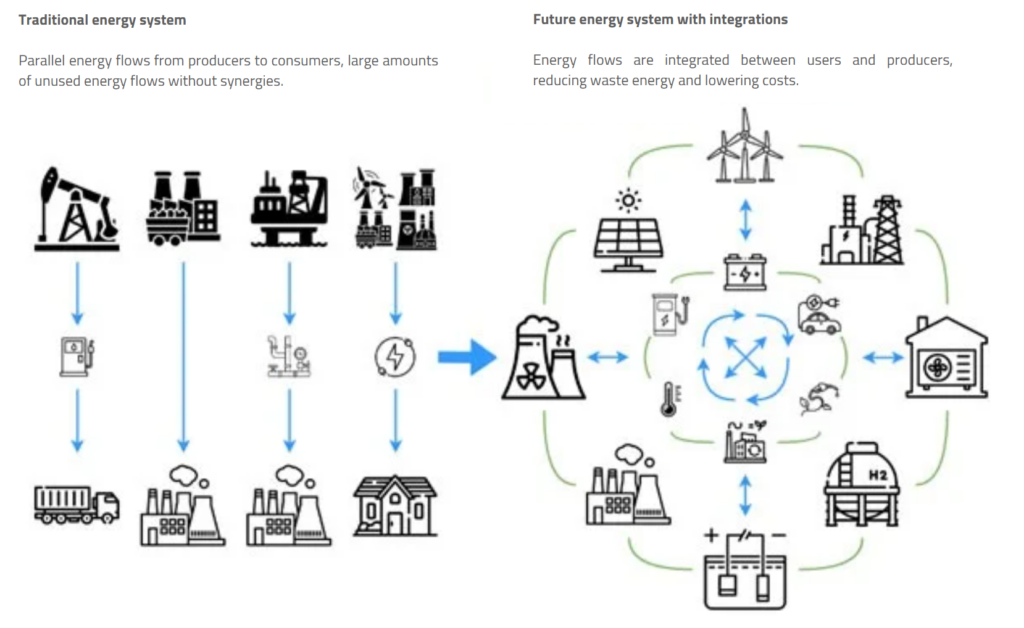
Sector coupling refers to the combination of different energy sectors—such as electricity, heating, and transport—to operate cohesively, promoting efficient and sustainable energy use. At its core, the principle is simple: energy is produced at the most cost-effective time and in the most economical way.
For heating and electricity, this means that large-scale thermal storage systems are charged during energy surplus periods when electricity is inexpensive. This surplus energy, often generated from wind or solar power, is converted into heat using technologies like heat pumps. When electricity demand increases and prices rise, stored energy and domestic fuels are flexibly utilized based on heating needs.
By integrating heating and electricity, the best aspects of two previously separate production systems are combined. Electrifying heating adds much-needed flexibility to the system while often reducing both costs and carbon emissions. At the same time, traditional combustion-based heating systems provide backup production and security during peak demand periods or when electricity supply is insufficient.
This hybrid model enables an essential flexibility in Finland’s energy system: electric boilers and heat pumps can reduce consumption when electricity prices are high, helping to balance the electricity grid and market. Additionally, backup and peak-load boilers can be used to free up capacity for electricity production when needed.
What are the practical impacts of sector coupling?
Consider a factory where most of the energy consumption is used for drying processes. Currently, the drying process is powered by combustion, with a total energy demand of 10 MW.
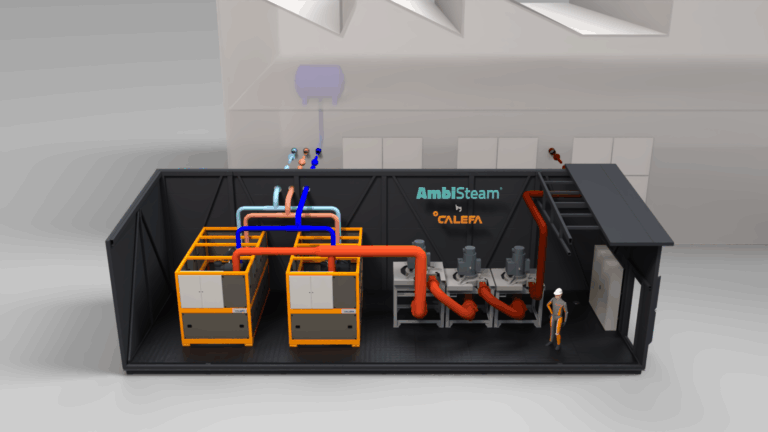
The factory decides to electrify its heat production using heat pumps, which efficiently recover waste heat from the drying process:
- Heat pumps recover 6.5 MW of waste heat.
- Electricity is used for 3.5 MW.
As a result, primary energy consumption decreases from 10 MW to 3.5 MW. Keeping the old boiler plant as a backup adds 3.5 MW of flexibility to the electricity system, equivalent to the capacity of a similarly sized power plant.
What is the role of district heating and renewable electricity in sector coupling?
Investments in and usage of renewable energy are often limited by the so-called chicken-and-egg problem, where energy supply and demand are imbalanced. In the case of renewable energy, producers hesitate to invest in renewable power plants unless there is sufficient demand for green electricity. Conversely, companies are reluctant to adopt renewable electricity if its production is not sufficient or reliable.
In Finland, the annual consumption of district heating is approximately 37 TWh, while electricity consumption is 78 TWh. District heating networks play a crucial role in enabling the use and investment in renewable electricity. Electricity produced from renewable sources can be converted into heat using heat pumps and stored in district heating networks. This provides a stable demand base for renewable electricity, encouraging further production investments.
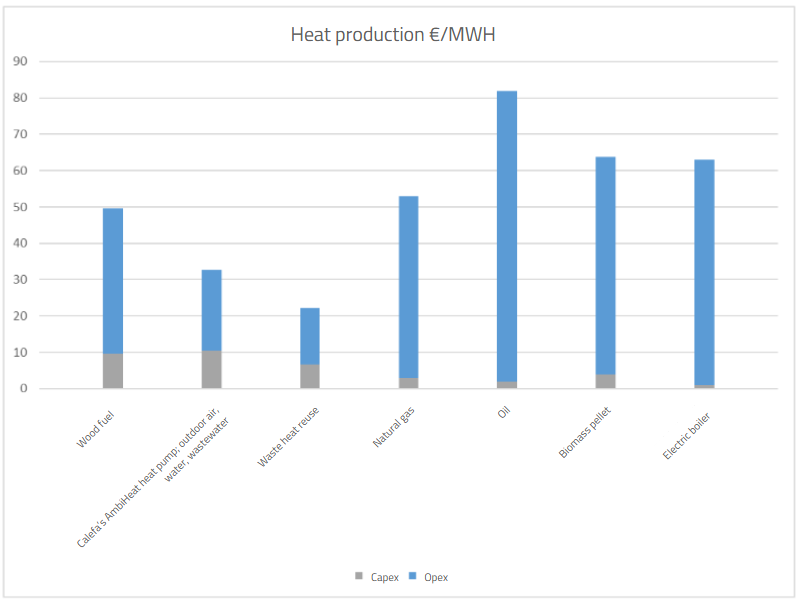
From an energy system flexibility perspective, district heating networks are also a cost-effective option: thermal storage is significantly more economical than electricity storage. For example, storing hot water is 100 times cheaper than storing electrical energy in batteries. This cost advantage can help bridge the capacity gap between district heating and electricity markets. Finland already has industrial-scale electric boilers equivalent to the capacity of the Olkiluoto 3 nuclear reactor, with more being built.
Sector coupling benefits all energy system stakeholders
Sector coupling is an efficient and flexible way to integrate different energy sectors.
Combining electricity and heating through district heating networks, thermal storage, and hybrid models introduces flexibility to both electricity and heating systems. This flexibility supports the use of renewable energy and helps balance fluctuations in energy production and consumption.
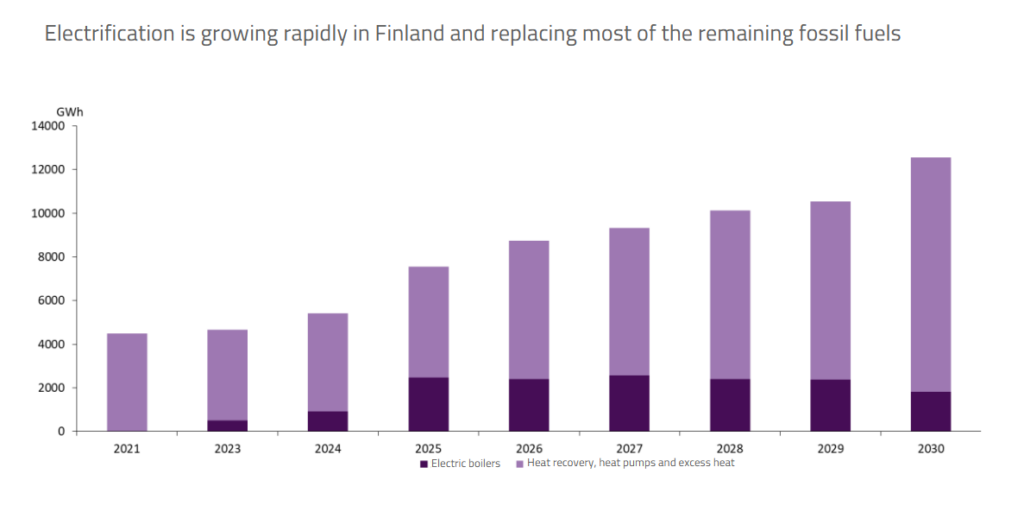
For a transitioning energy system, improving electricity and heating sector integration is almost essential. The integration of heating and electricity supports a sustainable and energy-efficient society, both now and in the future.
About the writer:
Antti Porkka is a Master of Science in Energy Technology, who is interested in both new trends and historical development processes, as well as how they shape the future.