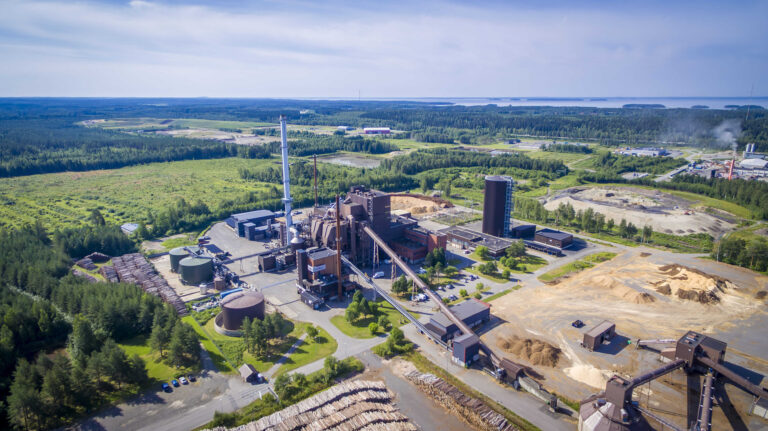
Over this summer, four Finnish energy companies shut down their combustion-based heating plants. In cities like Seinäjoki, Kankaanpää, and nearly all of Lahti, summer heat demand was met entirely through non-combustion methods — excluding the use of gas in small-scale facilities. In Loviisa, combustion units were also occasionally taken completely offline.
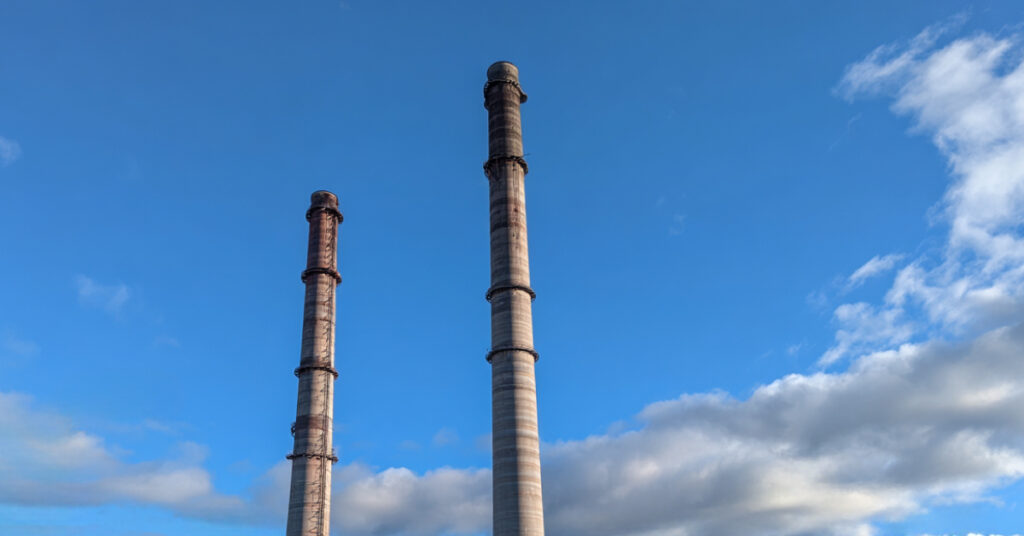
Energy Companies Seinäjoen Energia and Vatajankoski Oy have managed to keep their combustion-based heating plants completely offline throughout the summer months. This means that biomass boilers, for example, were not needed at all from June to August. The same applies to Lahti Energia, with the exception of small-scale units that use gas.
This marks a significant step toward emission-free and energy-efficient heat production — and a historic moment in Finnish energy generation.
“We are on the brink of a major transformation in heat production,” says Pekka Passi, CEO of Vatajankoski Oy.
Summer Heat Load Covered Without Combustion for the First Time in History
In Finland, district heating demand is typically higher during winter due to significantly increased heating needs. The summer heat load typically consists of domestic hot water heating and other minor thermal needs that remain when space heating is not required. In Lahti, for example, this load has ranged between 30 and 70 megawatts depending on weather conditions.
“At the Ali-Juhakkala wastewater treatment plant, we’ve recovered about 5–6 megawatts of waste heat. The rest of the summer heat load has been covered using an electric boiler. District heating storage has been used to balance electricity demand and price spikes,” explains Sandor Luukkanen, Production Director at Lahti Energia.
During the peak heating season, many municipalities rely on various solid fuel biomass boilers for heat production. Non-combustion-based methods — such as heat pumps and electric boilers — are utilized when economically viable.
At Lahti Energia, the smokestacks at the Kymijärvi power plant site fell silent in the summer of 2025 for the first time in the company’s history.
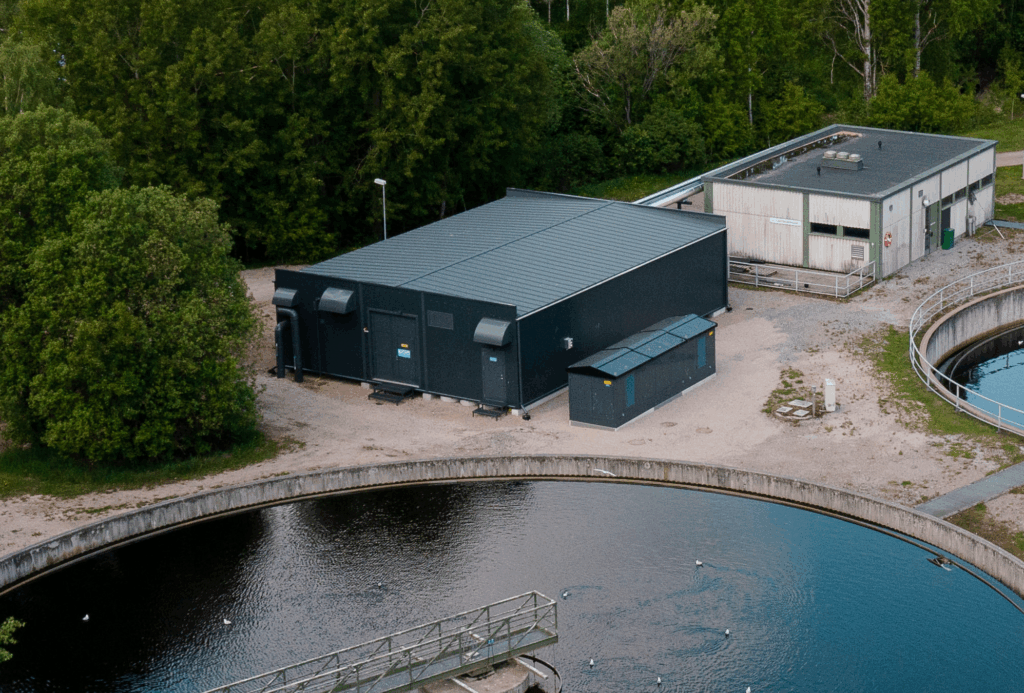
Savings in Production and Smoother Summer Operations in Seinäjoki for the Third Year Running
In Seinäjoki, the smokestacks have remained silent for the third consecutive summer. Mikko Mursula, Head of District Heating at Seinäjoen Energia, says that shutting down combustion-based plants has not only led to significant cost savings but also reduced the workload for staff.
“We always operate our heat production in the most economical way. Electric production during the summer has lowered fuel costs and enabled leaner staffing during the season. This has made it easier to coordinate employee vacation schedules.”
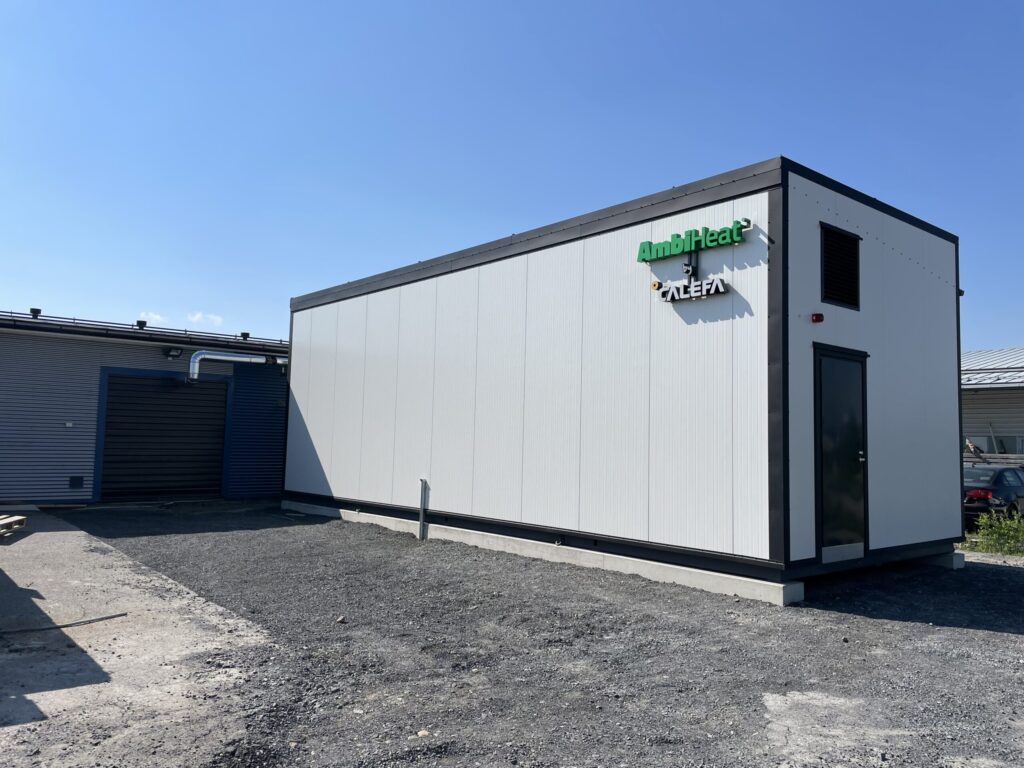
In Seinäjoki, the shutdown of smokestacks has been made possible by both an electric boiler and recovered waste heat from the MinersLoop data center. In addition, industrial and wastewater heat has been collected from other sources. The non-combustion period, which began in June, was briefly interrupted in August but is expected to continue into late summer.
Waste Heat Solutions Accelerate Non-Combustion-Based Production
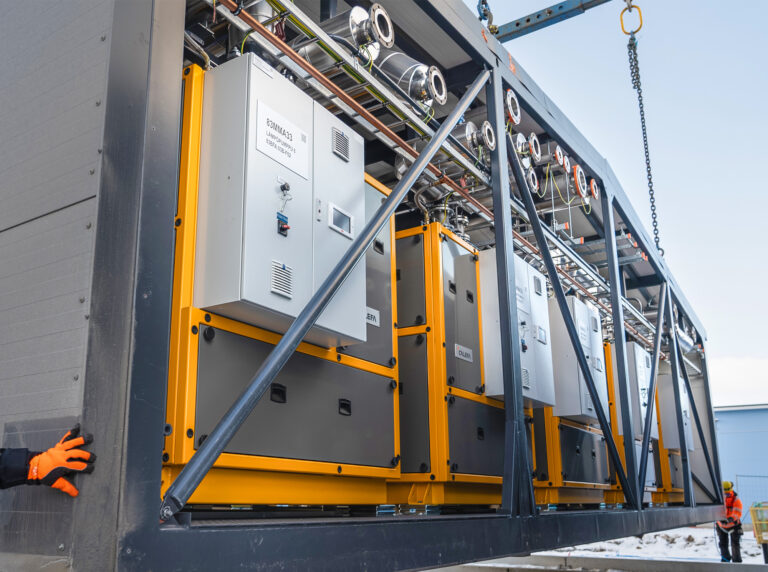
In Kankaanpää, Vatajankoski Oy enables summer heat production without combustion through two waste heat recovery solutions provided by Calefa Oy. In addition to waste heat from a data center, heat recovered from the cooling system of a sports facility is also utilized in the district heating network.
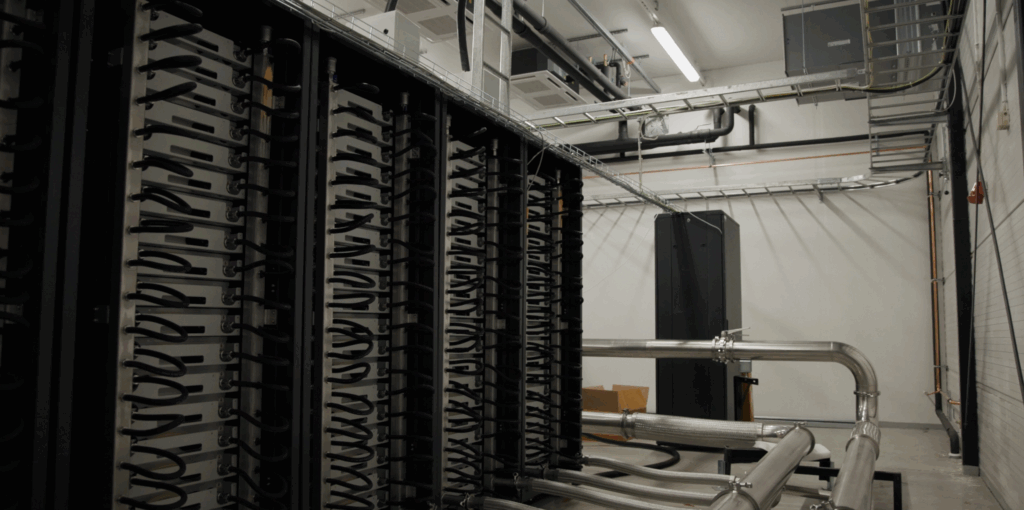
In addition to these, Vatajankoski also utilizes an innovative sand battery, several district heating storage units, and other sources of waste heat.
This summer marked the company’s third consecutive year of shutting down smokestacks. In 2025, the non-combustion period began earlier than ever, already in April. According to CEO Pekka Passi, the goal is to extend the non-combustion season gradually, month by month.
Combustion-Based Plants Taken Offline for the First Time in Loviisa During Summer
This summer, Loviisa was able to trial non-combustion-based heat production for the first time, enabled by a next-generation energy center that processes and utilizes waste heat.
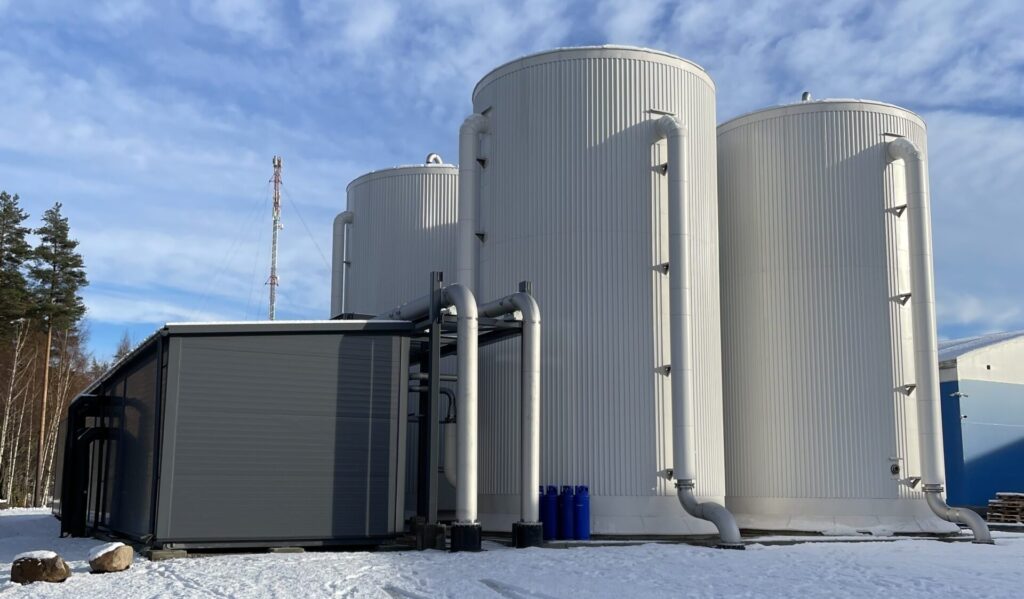
“We haven’t yet been able to run the entire summer without biomass boilers, but there have been periods when heat from the heat pump facility has fully covered the district heating demand,” says Mikko Paajanen, CEO of Loviisan Lämpö.
In addition to managing the district heating network in the city of Loviisa, Loviisan Lämpö also operates the network in Pornainen, a small municipality in Southern Finland, where combustion-based plants have remained offline all summer thanks to a sand battery.
The shutdown of biomass plants in both locations is expected to positively impact Loviisan Lämpö’s summer operations. Like Seinäjoen Energia, Loviisan Lämpö has found it easier to schedule employee vacations when combustion plant operations are reduced during the summer.
The New Normal for the Future
All four energy companies see the shift toward non-combustion-based heat production as part of their long-term strategy. The role of electric heat production is growing, and the goal is to keep combustion plants offline for increasingly longer periods, potentially even permanently during the summer months.
According to Vatajankoski’s CEO Pekka Passi, waste heat recovery solutions play a key role in phasing out combustion-based heat production, both in Kankaanpää and across the country.
“Our company will celebrate its 100th anniversary next year, and as we approach that milestone, we’re undergoing a major transformation in heat production. We’re entering our next century with 60% of annual heat production coming from non-combustion sources,” he says.
The same direction is shared by the other three energy companies.
“Non-combustion summers are definitely here to stay,” summarizes Mikko Mursula from Seinäjoen Energia.