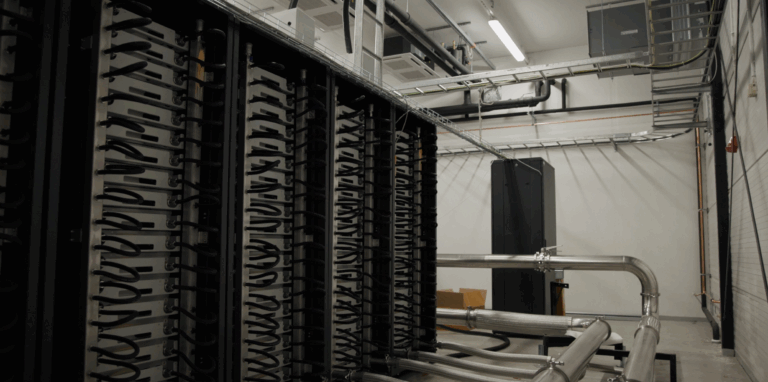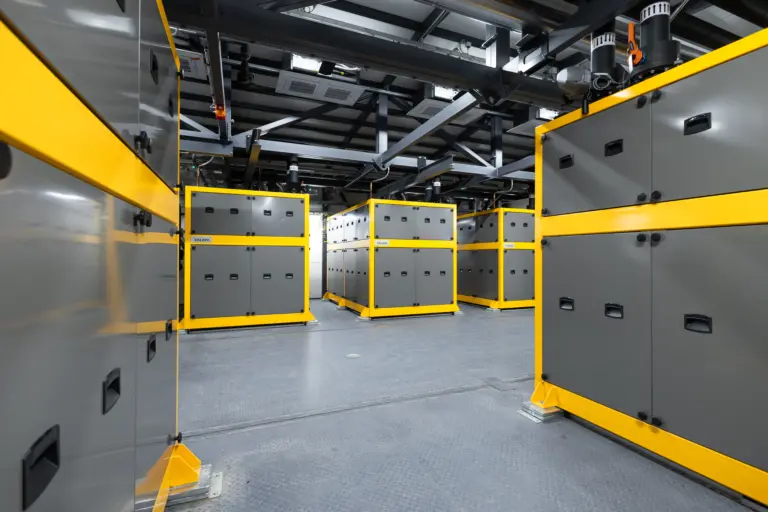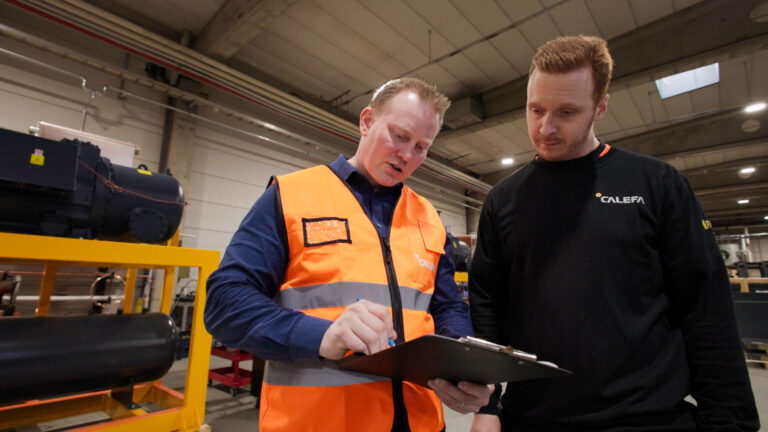
Paimion Lämpökeskus is systematically electrifying its heat production. Calefa will deliver a modular plant with 1.6 MW heat pump system and a 1.2 MW electric boiler to help reduce combustion-based energy production and increase operational flexibility in a changing energy market.
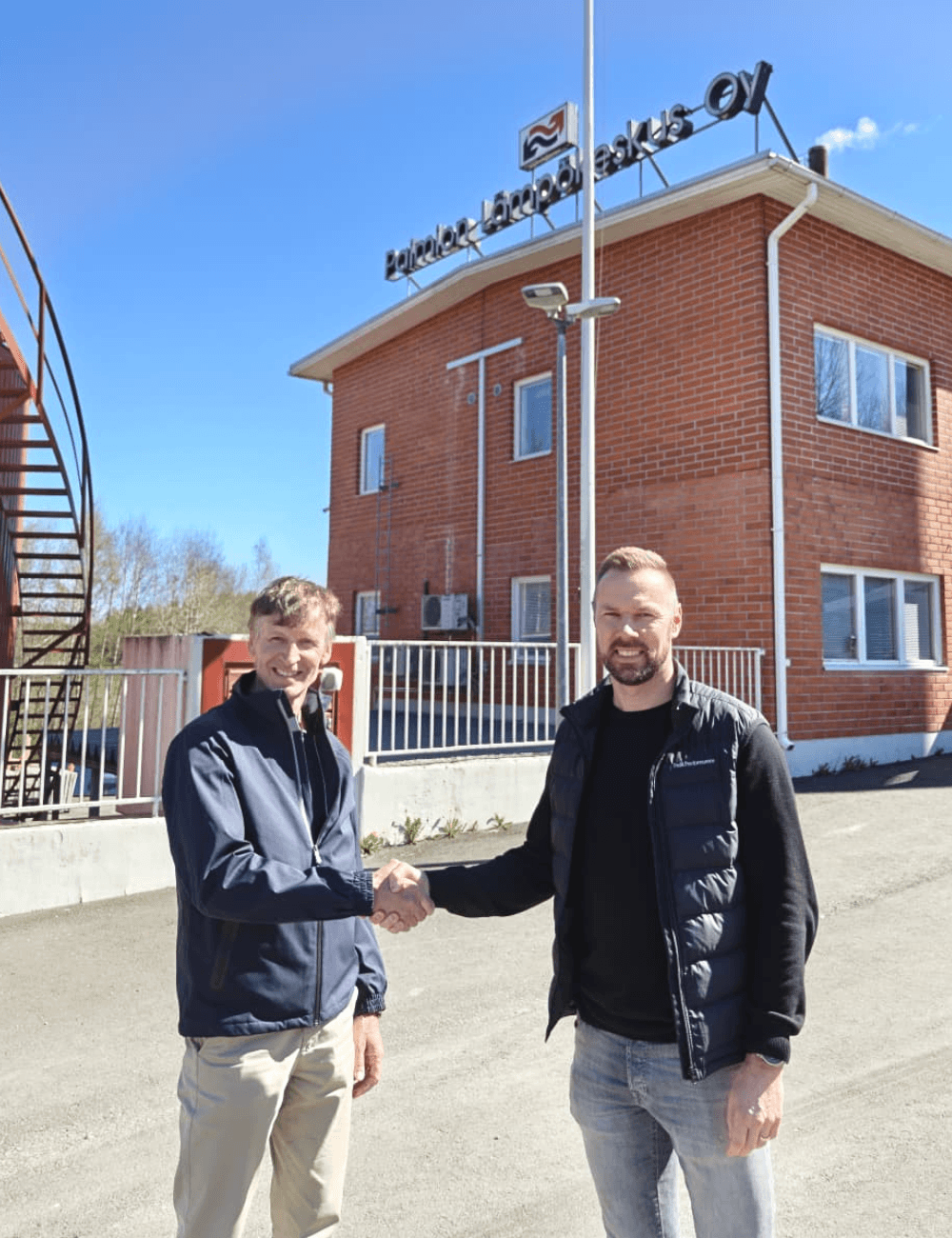
Calefa will deliver a two-module AmbiHeat system to Paimion Lämpökeskus, a Finnish district heating company, including a heat pump plant and an electric boiler. The solution will particularly replace the use of wood pellets and oil while increasing the share of electrified heat production in the district heating network.
“We selected a 1.6 MW heat pump plant that captures heat from ambient air in conditions ranging from -20°C winter temperatures to summer weather,” says Petri Vuori of Calefa.
The project will be implemented under an EPC model, with Calefa taking full responsibility for the plant’s design, procurement and delivery.
Paimion Lämpökeskus tendered the project among several suppliers. According to CEO Pekka Vihervuori, the key selection criteria were efficiency, cost-effectiveness and the delivery model.
“Calefa’s solution proved to be the strongest option from a techno-economic perspective. The fact that it is a domestic supplier was also an advantage,” says Vihervuori.
The Heat Pump Harnesses Ambient Air Energy Year-Round
The system uses ambient air as its heat source throughout the year. Energy is collected through energy collectors installed on the heating plant site, and the heat pump plant can produce district heating water at temperatures of up to 80°C for Paimio’s network.
The solution will operate alongside a data heat facility being built in the area, whose waste heat Paimion Lämpökeskus will utilise in its heat production.
“The data heat facility is dimensioned for summer load, so we needed a flexible complementary solution for the other seasons,” says Vihervuori.
The objective is for the heat pump and electric boiler solution, together with the data heat facility, to replace around 40% of annual combustion-based district heat production in the future.
“This represents annual fuel savings of several tens of gigawatt-hours,” says Vihervuori.
The overall project is estimated to have a payback period of approximately 4–6 years.
The Electric Boiler Adds Flexibility in the Energy Market
The new solution complements Paimio’s existing production structure, which already includes bioenergy-based plants and a heat pump system utilising a flue gas scrubber.
“Fuel oil now accounts for only 1–2% of our production, and with the new solution we expect oil use to be phased out completely,” says Vihervuori.
Paimio initially planned a smaller woodchip plant to support production, but as energy production becomes increasingly electrified, the heat pump solution proved more competitive in the investment calculations.
The electric boiler also enables demand response and participation in reserve markets. According to Vihervuori, the solution is particularly beneficial in situations where electricity prices fluctuate strongly. During winter demand peaks, it is highly cost-efficient.
The Electrified Energy Mix Will Be Built in Phases
Paimion Lämpökeskus has long explored the use of heat pumps and waste heat. Since 2020, an AI-based production control system has optimised operations in real time based on the most cost-efficient production method.
A more diversified production structure will raise security of supply to a new level. In the future, heat can be produced using several different technologies and energy sources. Oil-fired boilers will remain in place as a backup system for disruption scenarios.
In Paimio, thermal storage is also seen as a future opportunity as part of an electrified district heating system.
“A thermal battery would be a natural and easy-to-integrate addition to the overall system in the future,” says Vihervuori.
Natural Refrigerants as Part of Modern Heat Pump Technology
The project will use propane, a natural refrigerant that supports the district heating sector’s transition towards lower-emission technologies. Another driver is the EU F-gas Regulation, which aims to reduce fluorinated greenhouse gases.
“As a refrigerant, propane reflects the direction in which the industry is developing, even though solutions of this kind are still relatively new in district heating applications,” says Vihervuori.
Petri Vuori from Calefa states that natural refrigerants are an integral part of the company’s heat pump technology development.
“Natural refrigerants are an important part of the future of heat pump technology, and using them in projects like this is a natural direction for us,” says Vuori.
Commissioning Is Scheduled to Begin in Spring 2027
Calefa will deliver the heat pump plant by the end of 2026, and the data heat facility is also expected to be completed around the same time. Commissioning of the overall system is scheduled for spring 2027.
“Spring is a natural time for commissioning because the highest utilisation rate for heat pumps is expected in spring and autumn,” says Vihervuori.
Read more about the AmbiHeat solution for electrified heat production
Paimion Lämpökeskus recently celebrated its 50th anniversary. Founded in 1975, it is an energy company wholly owned by the City of Paimio and provides district heating widely across the Paimio area. Many of the area’s 11,000 residents live in detached houses connected to district heating.
AmbiHeat Solution in Paimio at a Glance
Delivery scope:
- 2 modules
- 1.6 MW heat pump plant
- 1.2 MW electric boiler
- Ambient air energy collection system
- EPC delivery model
Objectives:
- Replace approximately 40% of combustion-based district heat production
- Reduce the use of wood pellets and oil
- Enable more flexible, electricity market-driven heat production
- Support demand response and reserve market participation
- Strengthen security of supply